Chest Drains

Online Course: Respiratory Physiotherapy Techniques for the ICU Patient Online Course: Respiratory Physiotherapy Techniques for the ICU Patient Understand which intensive care respiratory physiotherapeutic techniques to use and how to apply them Powered by Physiopedia Start course Course instructor: Chidile Muonwe Chidile is a Physiotherapist, Researcher and Lecturer  • 

Description[edit | edit source]

Chestdrain.png

What is a Chest Drain?

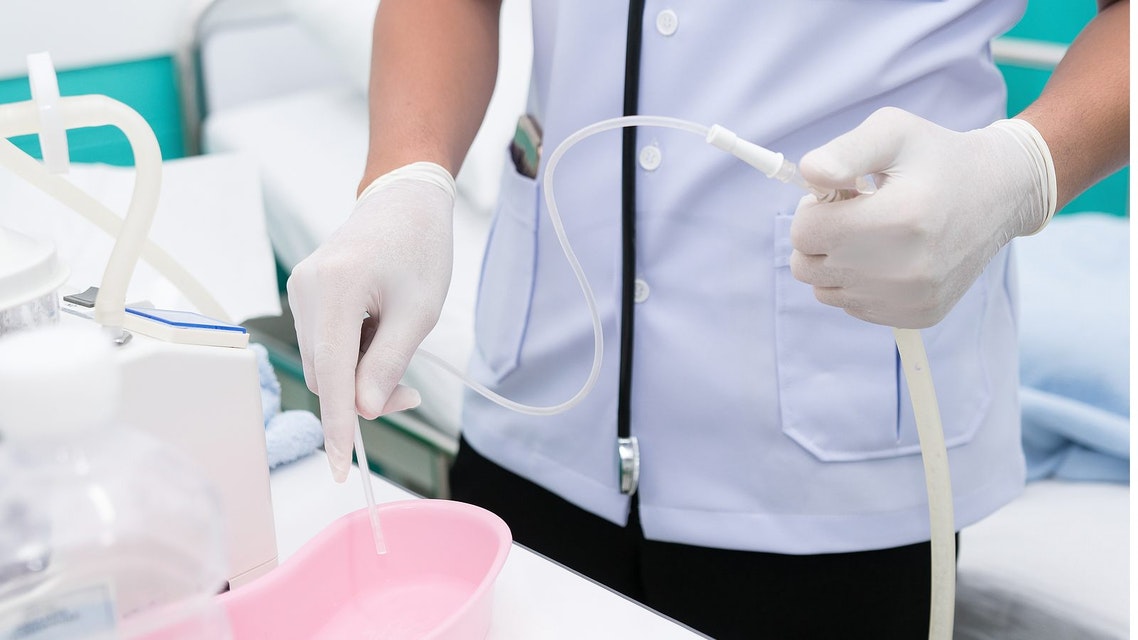
Chest drains, also referred to as chest tubes, under water sealed drainage (UWSD), thoracic catheter, tube thoracostomy, or intercostal drain. Chest drains provide a method of removing air & fluid substances from the pleural space. The idea is to create a one-way mechanism that will let air/fluid out of the pleural space and prevent outside air/fluid from entering into the pleural space. This is accomplished by the use of an underwater seal. The distal end of the drainage tube is submerged in 2cm of H2O. They use flexible plastic tubes which are inserted through the chest wall and into the pleural space between the 5th and 6th intercostal space in the mid-axillary line, venting the space which allows air back out. [1]

Mechanism of action for inhalation and exhalation

Basics of Breathing

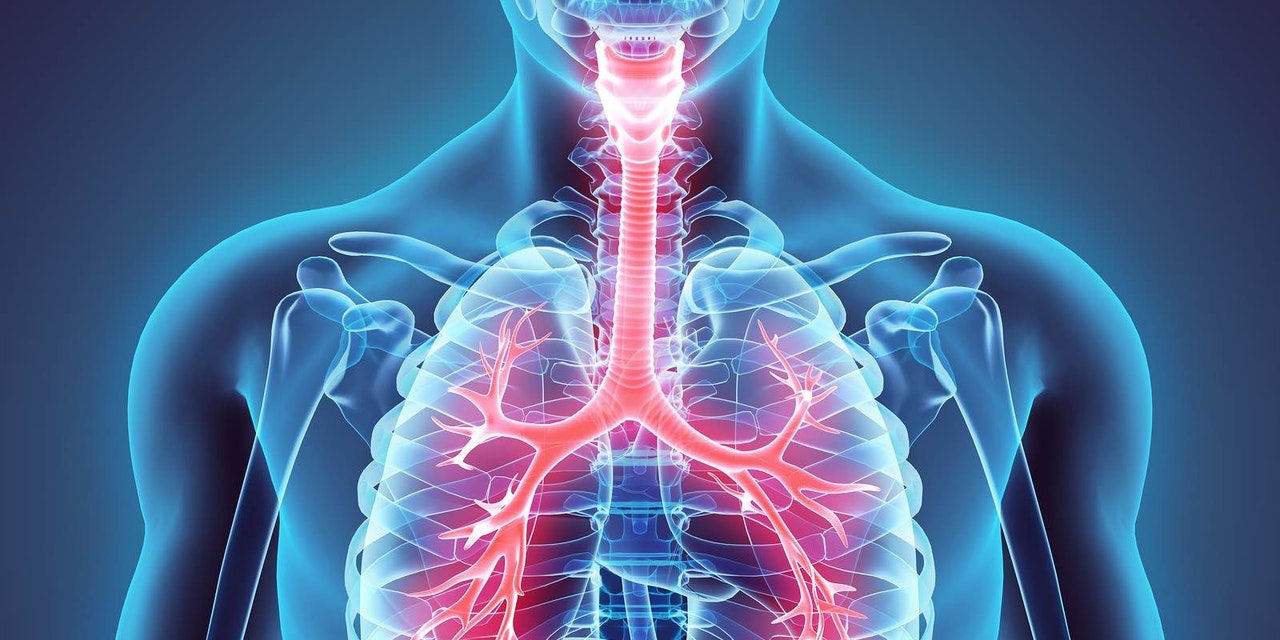
Breathing is stimulated by the build up of CO2 levels in the bloodstream. When the diaphragm descends there is an increase in interthoracic space and a decrease in interthoracic pressure. Intrapulmonary pressure also decreases which draws air into the lungs as the pressure outside of the lungs is greater than the pressure inside. Weak diaphragm decreases the available volume making it harder to draw air in and also increases the risk of developing pneumonia. Lungs are surrounded by pleura which have a layer of fluid between them. The visceral pleura is attached to the lungs while the parietal pleura is attached to the ribs. The lungs are elastic and want to recoil with the pleura, this elasticity creates the negative pressure which causes the lungs to inflate. Intrapleural pressure is always negative however during inspiration it is more negative (-8cm H2O) whilst during expiration when the diaphragm relaxes it’s less negative (-4cm H2O). If this intrapleural pressure is lost e.g. during a stabbing, the loss of negative pressure will cause the lung to collapse and a chest drain will be needed to restore the correct pressures. [2]

Principles of underwater seal drainage

The underwater seal prevents air re-entering the pleural space. Usually, the distal end of the drain tube is submerged 2cm under the surface level of the water in the drainage (or collection) chamber. This creates a hydrostatic resistance of +2cmH20 in the drainage chamber.

Normal intrapleural pressure is negative. However, if air or fluid enters the pleural space, intrapleural pressure becomes positive. Air is eliminated from the pleural space into the drainage chamber when intrapleural pressure is greater than +2cmH20. Thus, air moves from a higher to lower pressure along a pressure gradient. The drainage chamber has a vent to allow air to escape the chamber, and not build up within the chamber.

Fluids will drain by gravity into the drainage chamber, and will not spill back into the pleural space if the bottle is always kept below the level of the patient's chest. If the bottle needs to be lifted above the chest, the tubing should be briefly double clamped as close to the patient as possible. The movement and unclamping should take place as quickly as possible to minimise clamping time. [2]


Components & Types of Chest Drain Systems

OCEAN Single Collection Water Seal Drain A= Suction Control Chamber, B=Water Seal Chamber, C=Air Leak Monitor, D=Collection Chamber, E=Tube to suction, F=Tube from patient

Components

  • Unobstructed chest tube- inserted into pleural cavity/mediastinal cavity to allow air/fluid to leave the chest
  • Tubing- 6 foot long flexible tubing which connects the chest tube to the chest drain system
  • Water Seal Chamber - Column B – Air released from the pleural space goes into the water seal chamber. Lets the air out of the chest while preventing air from the outside getting back in. Chamber should always have 2cm H2O inside it (>2cm can be too difficult to expire against and <2cm is an ineffective seal meaning air could re-enter the pleural space). Calibrated to reflect intrapleural pressure which should be negative (in a spontaneously breathing adult approx. -8cmH2o on inspiration and -4cmH2O on expiration). Contains a ball which should be oscillating (no oscillation can mean (a) there’s a kink in the system (check patient isn’t lying on any tubes) or (b) the pneumothorax has healed (will show up on CXR)
  • Unnamed Chamber - Column C – records the amount of bubbling which is taking place. 1-2 bubbles is normal but >5 can be indicative of a leak somewhere in the system. Leak could be caused by (a) disconnection somewhere in the circuit or (b) a massive tear in the pleura which requires negative pressure in the form of a suction drain. Column A – should have 20cmH20
  • One-way mechanism to prevent return of air/fluid (valve).
  • Suction control device (optional)//Usually 3-5kPa. [3]
Underwater seal chest drainage. A- Single-bottle system. B- Two bottle system. C- three bottle system

Systems

  • Glass Bottle System:
    • 1 bottle
      • The simplest form of underwater seal drainage systems. This system can drain both fluid and air. The distal end of the drainage tube must remain under the water surface level.There is always an outlet to the atmosphere to allow air to escape.It is suitable for use with a simple pneumothorax, when the vent is left open to the atmosphere, or following a pneumonectomy when the tubing is clamped and released hourly
    • 2 bottle
      • This system is suitable for the drainage of air and fluid. The first chamber is for collection of fluid and the second is for the collection of air. As the two are separate, fluid drainage does not adversely affect the pressure gradient for evacuation of air from the pleural space. A separate chamber for fluid collection enables monitoring of volume and expelled matter.
    • 3 bottle
      • Suction is required when air or fluid needs a greater pressure gradient to move from the pleural space to the collection system. Suction may be applied via a third bottle or a suction chamber.[2][4]
  • Plastic System:
    • Thoraseal
    • Pleuravac


Mechanism of action of chest drain

Mechanism of action[edit | edit source]

  • Airflow is governed by changes in intra-pleural pressure.
  • Negative pressure during inspiration causes water level to rise slightly.
  • Positive pressure during expiration pushes air and fluid out of the pleural space and into the tube and collection bottle.
  • Air bubbles out of tube into the underwater seal.
  • Fluid drains by gravity, mixing with water and raising the fluid level.

Potential Indications for Chest Drain insertion[edit | edit source]

Chest drains are inserted as an invasive procedure to; Remove fluid/air from the pleural space/mediastinum, and/or Re-expand the lungs and restore negative intrapleural pressure and respiratory function.[1]

Conditions that require a chest drain include;

  • Pneumothorax - "Air in the pleural cavity". This occurs when there is a breach of the lung surface or chest wall which allows air to enter the pleural cavity and consequently cause the lung to collapse.
  • Pleural Effusion - a collection of fluid abnormally present in the pleural space, usually resulting from excess fluid production and/or decreased lymphatic absorption.
  • Haemothorax - the presence of blood in the pleural space. The source of blood may be the chest wall, lung parenchyma, heart, or great vessels.
  • Chylothroax- is a type of pleural effusion. It results from lymph formed in the digestive system called chyle accumulating in the pleural cavity due to either disruption or obstruction of the thoracic duct.
  • Empyema- is a collection or gathering of pus within a naturally existing anatomical cavity. For example, pleural empyema is empyema of the pleural cavity. It must be differentiated from an abscess, which is a collection of pus in a newly formed cavity.
  • Post Cardiac or thoracic surgery [5]

Complications of Chest Drains[edit | edit source]

  • Pain – chest wall/ neck / shoulder
  • Failure to enter the pleural space
  • Infection at insertion site or intrapleurally
  • Penetration / lacerations to lungs
  • Penetration of peritoneal space - laceration of the diaphragm
  • Haemorrhage
  • Blocked drains
  • Pleural sepsis
  • Subcutaneous emphysema[6]

Insertion of a Chest Drain[edit | edit source]

Local anaesthetic and intravenous analgesia are mandatory, as the placement is a painful procedure. The use of sedation should always be discussed with a senior emergency doctor, as it can potentially worsen the patient's clinical condition.[6]

Establish patient on continuous cardiac monitoring and pulse oximetry

Procedure as per 'The BTS Guidelines for the insertion of a chest drain, 2003'[6]

  • Place conscious patient in a sitting position at 45 degrees with arm of same side placed above head
  • Palpate the fourth or fifth intercostal space just anterior to the mid-axillary line
  • Surgically prepare the area
  • Ensure local anaesthetic is infiltrated from subcutaneous tissue down to pleura.
  • Select the appropriate size I.C.C. and remove stylet.
  • Incise the skin parallel to the upper border of the rib below the chosen intercostal space. Incise down to the fascia.
  • "Blunt dissect" (using an artery forcep) down to the pleura, enter the pleural space, and then widen the hole by opening the forceps.
  • Sweep the pleural space with a gloved finger to widen the hole and push the lung away from the hole (only possible in older children, beware of rib fractures in injured child).
  • Hold the tip of the catheter with a curved artery clamp and advance it into the pleural space, directing the catheter posteriorly and superiorly.
  • Advance so that all apertures of the tube are in the chest and not visible.
  • Attach the tube to UWSD below the patient's chest level.
  • Anchor the drain and suture the wound. Tape in place with tegaderm sandwich and anchor the tube to the patient's side. - Connect to the UWSD.
  • Watch for "swinging" of water in tube connection.[6]

[7]

Assessment of a Chest Drain[edit | edit source]

As part of a physiotherapy objective assessment a specific examination of a chest drain should be performed. Important aspects that should be noted include the following;

  • Location:
    • Anterior
    • Basal
    • Right or Left side etc
  • Pain
  • Swing/Oscillation - Normal – reflects the changes in pleural pressure on breathing (if not on suction). Will gradually lessen and stop as lung re-expands. If drain is not swinging; Gradual : lung re-expanded, Sudden : ?obstructed or ?lung collapse, Check for suction : Wall suction – no swing
  • Draining- Denotes volume of fluid draining from pleural space. Dependent on pathology; Post op – mostly occurs in first few hours, Fluid – slow drainage, Pneumothorax – minimal. If amount in bottle is excessive, its more difficult for air to be expelled. If there is a lack of drainage – check for kinks or obstruction
  • Bubbling- Reflects the amount of air draining out of the pleural space. Usually occurs during expiration or coughing. May also occur on inspiration if big air leak present. Large volume air leaks may require suction to remove air; if persistent may require pleurodesis. Continuous bubbling – means there is a connection between the lung and intra pleural space. If bubbling stops check for; Kink, Blockage, Disconnection.
  • Suction- Application of a negative pressure (3-5kPa) to restore negative pressure in the pleural space. Typically used if there is a large volume of air or fluid to be removed from the pleural space
  • CXR
  • Auscultation[8]

Always ensure you know the location of chest drain clamps in case you need them in an emergency!!

Handling of Chest Drain[edit | edit source]

  • Familiarise yourself with the location of the clamps in case of emergency
  • Drains should be on the floor on their stand for gravity drainage
  • Keep bottles/drains below the level of the patient’s chest – if you need to move the patient from lying to sitting this should be done on the side the chest drain is on
  • Clamping should be avoided if at all possible – clamping can cause a tension pneumothorax which leads to compression of the heart and a mediastinal shift which can be fatal.
  • Don’t pass the chest drain over the patient – loss of gravity could cause contents to spill back into the pleural space.
  • If you knock over the chest drain: put it back upright, check the levels and inform the nurse on duty so she can perform the necessary tests to make sure it’s still working properly.
  • Need to carefully plan any movements to avoid disconnection from the drain during activity
  • If theres a suction port attached to the chest drain and you need to mobilise the patient you have to get surgical permission to temporarily disconnect the suction

Clamping[edit | edit source]

It is never appropriate to clamp chest drains for mobilisation / transport of patients. NEVER clamp in tension pneumothorax or if still bubbling.

When would you clamp a drain?

  • Post pneumonectomy
  • Changing bottle
  • Break in circuit[6]

Accidental Disconnection of Tube[edit | edit source]

  • Part of the system becomes disconnected or drain/bottle breaks;
    1. Clamp the tubing close to the patients chest
    2. Reconnect with sterile tubing or new drain
    3. Unclamp and restore drainage
    4. Report the incident
  • Tubing becomes disconnected from the patient
    1. Ask patient to exhale and press gauze against the wound at end exhalation
    2. Ask patient to breathe normally
    3. Call for medical help but stay with patient and maintain pressure on the wound
    4. Observe the breathing rate and chest symmetry
    5. Reassure the patient and give them oxygen if they become distressed

Criteria for removal of chest drains[edit | edit source]

  • Less than 100ml of drainage in 24hours
  • Minimal swing
  • Chest X-ray establishing full lung expansion
  • Breath sounds present over the whole thorax on auscultation
  • No air leak[2]

Physiotherapy Treatment Options[edit | edit source]

Techniques to remove air from pleural space:

  1. Mobilisation
  2. Deep breathing exercises: N.B FET & Supported Cough
  • Positive pressure NIV techniques are CONTRAINDICATED!


Mobilisation :

  • Patients can be mobilised with a chest drain.
  • If they are on suction, check if it is a portable suction machine, if so, you will require a trolley to mobilise patient safely.
  • If suction is attached to the wall & cannot be disconnected//consider bedside exercises.
  • Always bring clamp in case of an accidental break in circuit.
  • Always call a nurse if you think there is a problem.

-Before and after treatment it is important to check the drain for any changes – if changes occur you need to document them and report them to the relevant member of the MDT eg) excessive drainage or no pressure swing during inspiration and expiration in the water seal level.

-Look at patients vitals, response to treatment, positioning, etc


Do's and Don't

  • Look for- oscillation, bubbling and draining.
  • Avoid clamping the drain.
  • Always keep below the level of the patient.
  • Keep chambers upright.
  • Always call a nurse if you think there is a problem.
  • Patients can be mobilised with a chest drain- may require a trolley if suction present or multiply drains & other attachments (e.g. portable O2).


Key Points for treating patients with Chest Drains[edit | edit source]

  • The water seal must remain intact at all times- Therefore, the chest drain must always be in the upright position. Air can re-enter the pleural cavity if the tip of the tube is above the water surface level
  • The chest drain must always be kept below the level of the patient's chest
  • If the tubing becomes disconnected, it should be clamped by hand as close to the patient as possible
  • Care should be taken when a patient is getting out of bed or moving around the bed
  • If positive pressure is being used in the presence of an air leak (CPAP,BiPAP,IPPB, Manual hyperinflation), the air leak needs to be constantly monitored as it may be exacerbated by these techniques
  • The chest drain can cause quite severe pain to the patient and may limit their ability to cooperate in treatment
  • Patients should be able to move around whilst the drain is in situ
  • They should be encouraged to keep the shoulder of the affected side moving, and discouraged from adopting protective patterns
  • Patients can be disconnected from suction for mobilisation, but it is essential to communicate with the medical and nursing team prior to doing so
  • If the patient is unable to be disconnected from suction, walking within the confines of the tubing or marching on the spot can be used

Practical Assessment and Treatment of Cervicogenic Headaches

An online course by Ari Kaplan

Related articles
Chest Physiotherapy - Physiopedia Description Chest physiotherapy is a broad term used in research that incorporates physiotherapy treatment techniques that address the removal of secretion and improve airway clearance thereby help to improve respiratory efficiency.[1] Chest physiotherapy is the term for a group of treatments designed to eliminate secretions thus helps to decrease work of breathing, promote the expansion of the lungs, and prevent the lungs from collapse.[1] It is different from bronchial hygiene therapy (BHT) in a way that BHT incorporate chest physiotherapy along with breathing exercises and manual hyperventilation in an intubated patient. Bronchial hygiene involves the use of noninvasive airway clearance techniques designed to help mobilize and remove secretions and improve gas exchange.[2] Chest physiotherapy is the important adjuvant treatment of most respiratory illnesses from chronic respiratory illness ( COPD, bronchiectasis, cystic fibrosis), neuromuscular diseases (muscular dystrophy, cerebral palsy, spinal cord injury), and during peri-operative care mainly in upper abdominal surgeries.[1][3] Chest physiotherapy can be a valuable component of comprehensive respiratory care but only if used when indicated. Aim of Chest Physiotherapy The purpose of chest physiotherapy are: To facilitate removal of retained or profuse airway secretions. To optimize lung compliance and prevent it from collapsing. To decrease the work of breathing. To optimize the ventilation-perfusion ratio/ improve gas exchange.[1][3] The Physiological Mechanism of Airway Clearance Normal Clearance A normal clearance requires an open airway, a functional mucociliary escalator, and an effective cough. Airways normally are kept open by structural support mechanisms and kept clear by the proper function of their ciliated mucosa. The normal human bronchial tree is lined by a thin (5 micrometers) layer of mucus which is moved over the airway surface by the mucociliary escalator. The ciliated epithelium which lines the airways is responsible for the continuous flow of mucus over the airway surface to the upper respiratory tract. Mucus is moved via a coordinated movement of ciliary motion toward the trachea and larynx, where excess secretions can be swallowed or expectorated. [4] The effective cough is a must for normal airway clearance. Cough is one of the most important protective reflexes. By ridding the larger airways of excessive mucus and foreign matter, the cough assists the normal mucociliary clearance and helps ensure airway patency. There are four distinct phases to a normal cough: irritation, inspiration, compression, and expulsion.[4] [5] Abnormal Clearance The flow of air through the tracheobronchial tree and its interaction with the mucus lining is complex because of the branching geometry of the airways, collapsible airway walls, constantly changing the velocity of airflow, and varying viscoelastic properties of mucus. This physiology of flow in liquid line airway is called a two-phase gas-liquid flow. In endobronchial diseases, the mucus layer may exceed 5 mm in thickness and ciliary clearance becomes ineffective. Two-phase flow now becomes an important mechanism of clearance, and at a particular combination of airflow, mucus viscosity, and thickness there is a very strong gas-liquid interaction which first exacerbates the pressure decrease then detaches liquid from the airway wall. this leads to the narrowing of the lumen of the tube causing a much greater resistance, thus affect airway clearance. One of the mechanisms by which cough affects sputum clearance in endobronchial diseases is two phases gas-liquid flow: the transfer of momentum and energy from the high-speed flow of air to the mucus that lines the bronchi. The high transmural pressure produced during cough leads to dynamic compression of the airway inhibiting mucociliary clearances.[4] Thus, forced expiratory technique (FET) was introduced to solve this problem. Classification There are various physiotherapy treatments incorporated within chest physiotherapy. Chest physiotherapy techniques can be classified as conventional, modern, and instrumental techniques based on evolving research.[1] Conventional Techniques Conventional chest physiotherapy is also known as traditional chest physiotherapy. It was advocated first in 1915. It involves manual handling techniques to facilitate mucociliary clearance. Postural drainage along with percussion and vibration ( PDPV) was previously widely named as Chest Physiotherapy. Later, coughing exercise, and forced expiratory techniques (huffing) was incorporated within it. PDPV with huffing had shown an effective outcome. It can be self-administered or performed with the assistance of another person (a physiotherapist, parent, or caregiver). PDPV works better if applied with bronchodilator therapy. Postural drainage Postural drainage involves the positioning of the child with the assistance of gravity to aid the normal airway clearance mechanism. Postural drainage positioning varies based on specific segments of the lungs with a large amount of secretions. Postural drainage is the drainage of secretions, by the effect of gravity, from one or more lung segments to the central airways (where they can be removed by a cough or mechanical aspiration). Each position consists of placing the target lung segment(s) superior to the carina. Positions should generally be held for 3 to 15 minutes (longer in special situations). Standard positions are modified as the patient's condition and tolerance warrant. Before determining the postural drainage position, it is very important to auscultate the lungs and identify the lung segments where added sound (Crepitus, Ronchi) is heard. Postural drainage can be facilitated with percussion and vibration in the postural drainage position.[6][1] Percussion Percussion is also referred to as cupping, clapping, and tapotement. The purpose of percussion is to intermittently apply kinetic energy to the chest wall and lungs. This is accomplished by rhythmically striking the thorax with a cupped hand or mechanical device directly over the lung segment(s) being drained. [6] Vibration Vibration involves the application of a fine tremorous action (manually performed by pressing in the direction that the ribs and soft tissue of the chest move during expiration) over the draining area. In this technique, a rapid vibratory impulse is transmitted through the chest wall from the flattened hands of the therapist by isometric alternate contraction of forearm flexor and extensor muscles, to loosen and dislodge the airway secretions.[6] Coughing Directed coughing or various assisted coughing are incorporated within it. Forced Expiratory Technique (FET) Forced expiratory techniques involve diaphragmatic inspiration, relaxing the scapulohumeral region, and expiring forcefully from mid to low lung volumes whilst maintaining an open glottis ("huffing" exercises).[6] It is effective than that of coughing. [7] Indication of Conventional techniques Postural drainage positioning Inability or reluctance of the patient to change body position. (eg, mechanical ventilation, neuromuscular disease, drug-induced paralysis). Poor oxygenation associated with the position (eg, unilateral lung disease). Potential for or presence of atelectasis. Presence of artificial airway[6]. PDPV Difficulty clearing secretions with expectorated sputum production greater than 25-30 mL/day (adult). Evidence or suggestion of retained secretions in the presence of an artificial airway. Presence of atelectasis caused by or suspected of being caused by mucus plugging. Diagnosis of diseases such as cystic fibrosis, bronchiectasis, or cavitating lung disease Presence of foreign body in the airway. Patient with copious sputum or with central consolidation.[6] Contraindication of Conventional Techniques Positioning All positions are contraindicated for: Intracranial pressure (ICP) > 20 mm Hg head and neck injury until stabilized (Absolute) Active hemorrhage with hemodynamic instability (Absolute) Recent spinal surgery (eg, laminectomy) or acute spinal injury Acute spinal injury or active hemoptysis Empyema Bronchopleural fistula Pulmonary edema associated with congestive heart failure Large pleural effusions Pulmonary embolism Aged, confused, or anxious patients who do not tolerate position changes Rib fracture, with or without flail chest Surgical wound or healing tissue Trendelenburg position is contraindicated for Intracranial pressure (ICP) > 20 mm Hg Patients in whom increased intracranial pressure is to be avoided (eg, neurosurgery, aneurysms, eye surgery) Uncontrolled hypertension Distended abdomen Oesophageal surgery Recent gross hemoptysis related to recent lung carcinoma treated surgically or with radiation therapy. Uncontrolled airway at risk for aspiration (tube feeding or recent meal) Reverse Trendelenburg is contraindicated in the presence of hypotension or vasoactive medication. External Manipulation of the Thorax In addition to contraindications previously listed Subcutaneous emphysema. Recent epidural spinal infusion or spinal anesthesia. Recent skin grafts, or flaps, on the thorax. Burns, open wounds, and skin infections of the thorax. Recently placed transvenous pacemaker or subcutaneous pacemaker (particularly if mechanical devices are to be used). Suspected pulmonary tuberculosis. Lung contusion. Bronchospasm. Osteomyelitis of the ribs. Osteoporosis. Coagulopathy. Complaint of chest-wall pain[6]. Complications Hypoxemia Bronchospasm[4] Increased Intracranial Pressure Acute Hypotension during Procedure Pulmonary Hemorrhage Pain or Injury to Muscles, Ribs, or Spine Vomiting and Aspiration Bronchospasm Dysrhythmias[6] Frequency Positioning Ventilated and critically ill patients: as necessary with the goal of once each hour or every other hour as tolerated, around the clock. Less acute patients should be turned every 2 hours as tolerated. PDPV In critical care patients, including those on mechanical ventilation, PDT should be performed every 4 to every 6 hours as indicated. PDT order should be re-evaluated at least every 48 hours based on assessments from individual treatments. In spontaneously breathing patients, frequency should be determined by assessing patient response to therapy. Acute care patient orders should be re-evaluated based on patient response to therapy at least every 72 hours or with a change of patient status. Domiciliary patients should be re-evaluated every 3 months and with a change of status.[6] Modern techniques Over the years, several additional noninvasive clearance methods have been developed to augment this traditional approach. Modern techniques use a variation of flow through breath control to mobilize secretions. It includes an active cycle of breathing and autogenic drainage. Active cycle of breathing technique Active cycle of breathing technique (ACBT) is an active breathing technique performed by the patient, and can be used to mobilize and clear excess pulmonary secretions and to generally improve lung function. It has a series of three main phases: Breathing control, Thoracic expansion, and Forced expiratory technique. Autogenic drainage Autogenic drainage is a three‐phase active breathing technique using high expiratory flow rates and variable lung volumes to unstick, collect, and evacuate secretions. The recipient is placed sitting, back straight, and head slightly hyperextended, hands resting on the upper left and right chest. The recipient first breathes at a low lung volume to unstick secretions in the peripheral airways, then at mid‐volume to collect secretions in the central airways, and finally breathes at high volume to clear secretions from the lungs. Autogenic drainage is potentially advantageous because it improves independency. No equipment is needed, and it is applicable in different settings and in daily life. The three phases of autogenic drainage are as follows. Displacement: starts with a slow and forced oral expiration, recruiting a percentage of expiratory reserve volume, and then carrying inspiration to low volume, recruiting percentages of tidal volume followed by a two‐ to three‐second post-inspiratory pause. This is followed by a slow oral exhalation recruiting a percentage of expiratory reserve volume. Collection: nasal inspiration to medium volume, recruiting a larger percentage of tidal volume, followed by a two‐ to three‐second post-inspiratory pause. This is followed by a slow oral exhalation recruiting a percentage of expiratory reserve volume. Elimination: nasal inspiration to high volume recruiting tidal volume and a percentage of inspiratory reserve volume, followed by a two‐ to three‐second post-inspiratory pause, leading to oral expiration at the level of tidal volume. The forced expiration technique is performed to high volumes.[1] Instrumental techniques Instrumental techniques such as non‐invasive ventilation have been considered useful as an adjunct therapy to airway clearance and to provide respiratory support. A common instrumental technique are: Positive expiratory pressure (PEP) There are various positive expiratory pressure devices that provide resistance to expiration through a mouthpiece or facemask, followed by forced expirations. The inhalation is at tidal volume, and the expiration is slightly active against devices. These devices help to remove secretions by increasing functional residual capacity and thus enhancing collateral ventilation and removing secretions from collapse airways. Some of the devices are Flutter, Acapella, lung flute, etc. Continuous Positive Airway Pressure Continuous positive airway pressure (CPAP) is generated by exhalation against a constant opening pressure; this produces positive end‐expiratory pressure (PEEP). Continuous positive airway pressure can also be delivered by commercially available pressure drivers. These generally require tightly fitting nasal prongs or a CPAP facemask. Bubble CPAP can be used in a low resource environment and in the pediatric population. It consists of an interface (nasal cannula), inspiratory tubing, and expiratory tubing immersed in an underwater bottle system.[1] High-Frequency Chest Wall Oscillation (HFCWO) High-frequency chest wall oscillation (HFCWO) is an airway clearance technique in which external chest wall oscillations are applied to the chest using an inflatable vest that wraps around the chest. These machines produce vibrations at variable frequencies and intensities, helping to loosen and thin mucus and separate it from airway walls. HFCWO involves an inflatable jacket that is attached to a pulse generator by hoses that mechanically enable the equipment to perform at variable frequencies (5–25 Hz). The generator sends air through the hose, which causes the vest to inflate and deflate rapidly. The vibrations not only separate mucus from the airway walls but also help move it up into the large airways. Typically, it is paused during the 20- to 30-minute HFCWO treatment every 5 minutes to cough out loosened mucus that has moved into the large airways.[8] [9] Intrapulmonary Percussive Ventilation (IPV) IPV was designed to promote mobilization of bronchial secretions and improve efficiency and distribution of ventilation, providing intrathoracic percussion and vibration and an alternative system for the delivery of the positive pressure to the lungs.[10]  Each IPV session lasted fifteen minutes and was performed twice a day (morning and afternoon).[10] Intrapulmonary percussive ventilation uses a pneumatic device to deliver a series of pressurized gas minibursts at rates of 100 to 225 cycles per minute to the respiratory tract, by a mouthpiece. The duration of each percussive cycle is manually controlled by a thumb button. During the cycle, constant PAP is maintained at the airway. It also incorporates nebulizer for the delivery of the aerosol. [11] Assessment of need and outcome The following should be assessed together to establish a need for chest physiotherapy: Excessive sputum production. Effectiveness of cough. History of pulmonary problems treated successfully with PDT (eg, bronchiectasis, cystic fibrosis, lung abscess). Decreased breath sounds or crackles or rhonchi suggesting secretions in the airway. Change in vital signs. Abnormal chest x-ray consistent with atelectasis, mucus plugging, or infiltrates. Deterioration in arterial blood gas values or oxygen saturation[6]. The following can be used as an outcome tool to determine the effectiveness of treatment: Change in sputum production. Change in breath sounds of lung fields. Patient subjective response to therapy. Change in vital signs. Change in chest x-ray. Change in arterial blood gas values or oxygen saturation. Change in ventilator variables.[6] Change in Modified borg scale- dyspnea level. Change in Peak Expiratory Flow Rate. Resources Huffing – The Forced Expiration Technique (FET) Hemothorax - Physiopedia Introduction Massive right-sided pleural effusion later shown to be a hemothorax The term hemothorax can be defined as the entry of pleural fluid and blood into the pleural cavity. It needs to be pleural fluid with a hematocrit of 25% - 50% of the patient’s blood to be diagnosed as a hemothorax.[1] Pathophysiology[edit | edit source] There are two layers of pleura. One of which covers the lung surface (visceral pleura) and the other the inside of the chest wall (parietal pleura). (For more detailed information on lung anatomy).These layers of pleura adhere to each other to keep the lung from collapsing, even with the expiration of air from the lung. If air or fluid enters the pleural cavity in between these layers of pleura, it causes the lung to collapse due to its elastic recoil. If it is only air entering the pleural cavity it causes a pneumothorax. If it is fluid or blood entering the pleural cavity it could cause a pleural effusion or hemothorax.[2] Aetiology[edit | edit source] The primary cause of haemothorax is sharp or blunt trauma to the chest. Iatrogenic or spontaneous haemothorax occur less frequently. Iatrogenic haemothorax most likely occurs as a complication of cardiopulmonary surgery, placement of subclavian or jugular catheters, or lung and pleural-biopsies.[1][3] Spontaneous haemothorax is generally caused by rupture of pleural adhesions, neoplasm, pleural metastasis, and as a complication of anticoagulant therapy for pulmonary embolisms. [4] Clinical Presentation[edit | edit source] Chest Pain Dyspnoea Fever Tachycardia Reduced breath sounds on the affected side Pallor Cold Sweats Diagnostic Procedures[edit | edit source] Chest X-ray Ultrasound CT scan MRI scan Medical Management[edit | edit source] Initial management in most cases is through chest tube drainage where a large tube as an adequate initial approach unless an aortic dissection or rupture is suspected.[3] (For more information on chest drains). After the tube thoracostomy has been performed, a chest X-ray CXR should be repeated in order to identify the position of the chest tube, to reveal other intrathoracic pathology and to confirm whether the collection of blood within the pleural cavity has been fully drained.[4][2] The PLeural Effusion And Symptom Evaluation (PLEASE) Study findings reveal an improvement in breathlessness and exercise tolerance in most patients with symptomatic pleural effusion after drainage[5]. Occasionally a surgical exploration may be used. This may be indicated if there is blood loss via the chest drain over 1,500 ml in 24 hours or 200 ml per hour during several successive hours and the need for repeated blood transfusions to maintain haemodynamic stability.[6][7][8] Patients who present with active blood loss but stable haemodynamics may be treated with Video-Assisted Thoracoscopic Surgery (VATS). This may be used to stop the bleeding and also in the evacuation of blood clots and breakdown of adhesions. A thoracotomy is the procedure of choice for surgical exploration of the chest when a massive haemothorax or persistent bleeding is present.[2] Physiotherapy Management[edit | edit source] There are no published data regarding the physiotherapy management of patients with pneumothorax or hemothorax. The following can be regarded as recommendations for management of patients with hemothorax: The patient's clinical picture should lead the physiotherapist in deciding what treatment is suitable. If the patient has a chest tube and intercostal drain in, the treatment might be different from when the patient had surgery. Help to improve ventilation, oxygenation and to re-inflate atelectatic lung areas. This could be done through deep breathing exercise techniques. Help to improve the patient's exercise tolerance and mobility. This could be done by assisting with mobilisation or general strengthening exercises. Help to maintain airway clearance. This could be done by showing the patient assisted coughing techniques to help clear any secretions. Differential Diagnosis[edit | edit source] Through imaging, the diagnosis of a pneumothorax needs to be canceled out. The hematocrit of the fluid from the pleural cavity could also be tested to see if it could be diagnosed as a pleural effusion or a hemothorax.  Pleural Effusion - Physiopedia Introduction Pleural effusion is a collection of an unusual amount of fluid in the pleural cavity. [1] The pleura are two continuous membranes which form a sac to enclose each lung. When fluid builds up in the space between the layers of pleura, a pleural effusion has occurred. Normally, for smooth movement of lungs, only teaspoons of watery fluid are in the pleural space.[2] [3] Classification[edit | edit source] By Pathophysiology[edit | edit source] Transudative[edit | edit source] Transudative type of pleural effusion rarely needs to be drained. It is formed from the liquid which leaks around the pleura. Most common cause of this type is congestive heart failure. Less protein Few cells[4] Exudative[edit | edit source] Exudative type of pleural effusion requires to be drained. It is formed from extra liquid, protein, blood, inflammatory cells or sometimes bacteria that leak across damaged blood vessels into the pleura. The causes of this type include pneumonia and lung cancer. More protein Large amount of cells[4] By the underlying cause[edit | edit source] By the origin of the fluid[edit | edit source] Serous fluid (hydrothorax) Blood (haemothorax) Chyle (chylothorax) Pus (pyothorax) Urine (urinothorax) Symptoms[edit | edit source] May or may not have fever May have cough Breathlessness Chest pain Pleural rub Heart Sounds: Third heart sound can be heard. Weakness Causes[edit | edit source] There are many causes, some of them are: Leak from other organs Autoimmune conditions: RA, Lupus Cancer Pulmonary embolism[5][1] Diagnosis[edit | edit source] Blood Test: Neutrophilia CT Scan X-ray: Presence of fluid in the pleural cavity which appears white on X-rays, while air space looks black.[6][7] Treatment[edit | edit source] The principle treatment approach with pleural effusion is to treat the underlying cause. Medication: Antibiotics, Diuretics Pleural Decortication: Surgeons can operate inside the pleural space, removing inflammation and unhealthy tissue by thoracoscopy or thoracotomy. Chemotherapy Thoracentesis [8] Pleural Biopsy Drainage by intercostal tubes Pleurodesis Role of Physiotherapy[edit | edit source] Physiotherapy has an important role in stabilizing and controlling breathing. It aids in chest fluid drainage and in clearing chest secretions. People who receive respiratory physiotherapy as part of their treatment will tend to achieve a quicker recovery with fewer complications. Secretion clearance: Effective / productive coughing techniques. Postural drainage in sitting and lying. Manual assistance, including percussion, vibrations and shaking. Breathing technique retraining: Controlling respiratory rate Diaphragmatic breathing Controlling / reducing breath volume Relaxation breathing exercises Education and Advice: Illness cause and progression. Effects of environmental and allergen factors. Medication management (Read about chest physiotherapy) Pneumothorax - Physiopedia Definition Left pneumothorax. This X-ray is used on clinicalcases.org to illustrate a fictional case history of tension pneumothorax. Note the large, well-demarcated area devoid of lung markings, the tracheal deviation and movement of the heart away from the affected side. A pneumothorax can be defined as air in the pleural cavity[1]. This occurs when there is a breach of the lung surface or chest wall which allows air to enter the pleural cavity and consequently cause the lung to collapse. Types of Pneumothorax[edit | edit source] Various causes of pneumothoraces exist and each pneumothorax is classified according to its cause[2][3]. Primary Pneumothorax[edit | edit source] Also referred to as a spontaneous pneumothorax or primary spontaneous pneumothorax. It is characterized by having no clear cause or no known underlying lung pathology. There may be contributing factors, such as cigarette smoke, family history, the rupture of the bulla (small air-filled sacs in the lung tissue) but these will not cause pneumothorax itself. Secondary Pneumothorax[edit | edit source] Also referred to as a non-spontaneous or complicated pneumothorax. It occurs as a result of an underlying lung pathology such as COPD, Asthma, Tuberculosis, Cystic Fibrosis or Whooping Cough. Tension or Non-tension Pneumothorax[edit | edit source] A pneumothorax can further be classified as tension or non-tension pneumothorax.[4] A tension pneumothorax is caused by excessive pressure build up around the lung due to a breach in the lung surface which will admit air into the pleural cavity during inspiration but will not allow any air to escape during expiration. The breach acts as a one-way valve. This leads to lung collapse. The removal of the air is through the surgical incision by inserting an underwater drain in the pleural cavity. This excessive pressure can also prevent the heart from pumping effectively which may lead to shock. A non-tension pneumothorax is not considered as severe as there is no ongoing accumulation of air and therefore there is no increased pressure on the organs and the chest. Traumatic Pneumothorax[edit | edit source] Other causes of a pneumothorax can be trauma or incorrect medical care. A traumatic pneumothorax is caused by trauma to the lungs. Some of the causes are the following: Stab wound, gunshot, or injury from a motor vehicle accident or any other trauma to the lungs.[4] A pneumothorax which develops as a result of a medical procedure or incorrect medical care i.e. accidental puncture to the lung during surgery is termed as an iatrogenic pneumothorax.[4] Causes and Risk Factors[edit | edit source] The cause of primary spontaneous pneumothorax is unknown (idiopathic), but established risk factors include[2][5]: Gender Smoking (cannabis or tobacco) and, Family history of pneumothorax. Secondary spontaneous pneumothorax occurs in the setting of a variety of lung diseases. The most common is a chronic obstructive pulmonary disease (COPD), which accounts for approximately 70% of cases[5]. Known lung diseases that may significantly increase the risk for pneumothorax are: COPD Cystic fibrosis Lung cancer Asthma Tuberculosis Bacterial pneumonia: certain forms of pneumonia caused by staphylococcus, streptococcus and other types of bacteria may cause a lung to collapse. Other traumatic factors may also lead to pneumothorax and eventually lung collapse[4]: Injury or trauma to the chest area: Bullet or stab wounds, fractured ribs, or a blunt force injury can cause the lungs to collapse. Certain medical procedures: These include procedures in which the lung may inadvertently be punctured (needle aspiration to drain fluid from the lung, biopsy or the insertion of a large intravenous catheter into a neck vein). Activities in which there are sharp changes in air pressure: Flying in an airplane or deep-sea diving may result in a collapsed lung Signs and Symptoms[edit | edit source] Sudden onset of chest pain - sharp pain worse on inspiration[6] Dyspnoea - shortness of breath Tachycardia - increased heart rate Tachypnoea - increased respiration rate Dry cough Fatigue Signs of respiratory distress -nasal flaring, anxiety, use of accessory muscles Hypotension Subcutaneous emphysema Epidemiology[edit | edit source] Primary spontaneous pneumothorax occurs most often in people between age 18 - 40 and Secondary spontaneous pneumothoraces occur more frequently after age 60 years. Prevalence of a pneumothorax in a newborn is a potentially serious problem and it occurs in about 1-2% of all births.[2] The overall person consulting rate for pneumothorax (primary and secondary combined) in the GPRD was 24.0/100 000 each year for men and 9.8/100 000 each year for women. Hospital admissions for pneumothorax as a primary diagnosis occurred at an overall incidence of 16.7/100 000 per year and 5.8/100 000 per year for men and women, respectively. Mortality rates were 1.26/million per year for men and 0.62/million per year for women.[2] Pathology[edit | edit source] The pleural cavity is the region between the chest wall and the lungs. If the air enters the pleural cavity, either from the outside (open pneumothorax) or from the lung (closed pneumothorax), the lung collapses and it becomes difficult for the person to breath. Tissue can form a one way-valve which allows air to enter the pleural cavity, but not to escape, overpressure can build up with each breath (tension pneumothorax). This leads to severe shortness of breath, deviation of the heart and compression on the vena cava leading to shock.[6] There is a loss of intrapleural negative pressure that can result in a lung collapse. Due to this there is a decrease in vital capacity as well as a decrease in PaO2 which is the main consequence of a pneumothorax. The decrease in PaO2 results from various factors i.e low ventilation-perfusion ratios, anatomic shunts and alveolar hypoventilation. Most patients that suffer from a pneumothorax also have an increase in alveolar-arterial oxygen tension.[6] [7] Diagnosis[edit | edit source] Initially a complete medical and physical examination needs to be conducted. Auscultation[edit | edit source] On examination of the chest with a stethoscope, it will be noted that there is either decreased or absent breath sounds over the area of the affected lung, which may indicate that the lung is not inflated in that particular area[8]. There is hyper resonance (higher pitched sounds than normal) with percussion of the chest wall which is suggestive of pneumothorax diagnosis. Imaging[edit | edit source] Chest x- rays will then be used to confirm the diagnosis of the pneumothorax.[9] In a supine chest x-ray, a deep sulcus sign is diagnostic and this is characterised by a low lateral costophrenic angle on the affected side[8]. Also, the presence of air outside normal lung airways and movement or shifting of the organs away from the air leak in the thoracic cavity will be indicative of the presence of a pneumothorax. Ultra sound scan can also provide diagnostic assistance[9]. Diagram showing a neonate with a right tension pneumothorax. Note the tracheal deviation to the left. Prognosis[edit | edit source] Up to 50% of patients who suffer from a pneumothorax will have another or a recurring pneumothorax. However, there are no long-term complications after successful treatment. Medical and Surgical Management[edit | edit source] Pneumothorax is a medical emergency that needs to be addressed rapidly once diagnosed[10]. The main aim is to relieve the pressure on the lung and allow it to expand. It is of vital importance to try and prevent the recurrence of pneumothorax. Treatment may be determined by the severity of symptoms and indicators: Acute illness - shortness of breath, tachycardia, reduction in O2 saturation, Presence of underlying lung disease such as COPD estimated size of the pneumothorax on X-ray in some instances – on personal preference of the person involved. Treatment[edit | edit source] There are a variety of treatment options for a spontaneous pneumothorax. It has been shown that intervention has similar results to conservative management of pneumothorax including less days spent in hospital[11][12]: Conservative management with observation until the air is naturally resorbed by the body Simple aspiration[13] Chest drain placement - Simple chest drain placement alone has a very high rate of recurrence (about 65%) in patients with LAM. Heimlich valve (HV) insertion - a lightweight one-way valve designed for the ambulatory treatment of pneumothorax (with an intercostal catheter)[12] Pleurodesis through a chest tube - a procedure which obliterates the pleural space to prevent future pneumothoraces[14]. Mechanical (using physical abrasion) Chemical (using talc, doxycycline, bleomycin or other agents). While chemical pleurodesis through a chest tube can be successful, this may result in incomplete pleurodesis due to the uneven distribution of the chemical. Surgery - Surgical treatment, using video-assisted thoracoscopy (VATS), is the preferred approach.[13] [15] Recurrent pneumothorax treatment[edit | edit source] For patients with recurrent pneumothorax after surgical intervention, there are several options[16]. For patients with a total or near-total lung collapse, repeat surgical intervention is recommended. Options include: Repeat mechanical pleurodesis if it is unclear whether appropriate mechanical pleurodesis was done initially Pleurectomy in which the pleura overlying the ribs is actually removed. Chemical pleurodesis in which a drug or other agent is used to create an inflammatory response that results in pleurodesis. Talc is the most commonly used agent due to its effectiveness. Historically, talc pleurodesis was considered a contraindication to future lung transplantation because of the intense inflammatory response that made surgery very difficult. [13] Lung transplant Physiotherapy Management[edit | edit source] Indications for Physiotherapy[edit | edit source] Lung collapse[17] Sputum retention[18] Ventilation/perfusion mismatch (V/Q)[19] Increased work of breathing Blood gas abnormalities Post operative ITU care[19] Goals for Physiotherapy[edit | edit source] 1.To improve ventilation and increase PaO2 levels Physical activity (stairs, walking, moderate-intensity aerobic exercise) Active cycle of breathing exercises Sputum removal techniques i.e. percussion, cough assist PEP devices Incentive spirometry Non invasive ventilation (NIV) 2. To assist in sputum removal[18] Postural drainage Active cycle of breathing exercises Percussion, shaking, and vibrations PEP devices Physical activity (stairs, walking, moderate-intensity aerobic exercise) Coughing and huffing (forced expiratory breath) Airway suctioning 3. To reduce work of breathing Body positioning Breathing control Relaxation techniques Accessory muscle use 4. Improve exercise tolerance Early mobilisation and positioning Graded exercise program Breathing exercises Physiotherapy outcome evaluation includes[edit | edit source] Respiratory rate O2 saturation Arterial blood gases Additional O2 requirements Auscultation Chest x-ray Mobility status Respiratory Physiotherapy Techniques for ICU Patients - Physiopedia Introduction Patients admitted in the intensive care unit (ICU) are at high risk of developing respiratory complications due to immobility and/or the use of mechanical ventilators.[1][2][3] Many patients are also admitted to the ICU due to acute respiratory failure.[2] Physiotherapy is an essential component in the management of patients admitted to the ICU.[4] Physiotherapists in the ICU aim to prevent respiratory complications from developing or mitigate the already developed problems.[5] The most common goals of physiotherapy for respiratory dysfunction in the ICU include airway secretion clearance, maintenance or improvement of lung volume, optimization of oxygenation, and maintenance or training of inspiratory muscle strength.[1][3][4][6][7] These general goals can be achieved using appropriate physiotherapeutic techniques and devices which are discussed below. Positioning[edit | edit source] Positioning is one of the most effective interventions for respiratory dysfunction and is primarily governed by the influence of gravity.[8] Body positioning has a direct impact on respiratory mechanics and its physiological effects include optimizing oxygen transport and thereby oxygenation through improved Ventilation-Perfusion (V/Q) matching, increasing lung volume, reducing the work of breathing, minimizing the work of the heart, and enhancing mucociliary clearance (postural drainage).[1][7][8][9] Selecting the most efficient body position is based on the day-to-day evaluation findings as well as clinical reasoning around the desired effect/benefit, whether it be secretion clearance or recruitment of lung volume with improved oxygenation.[8][10] Side-lying with the affected lung uppermost increases the lung volume to the uppermost lung which enhances the resolution of atelectasis.[1][9][11] This position also facilitates drainage from broncho-pulmonary segments.[1][9] Keeping the non-affected lung at the bottom has the added benefit of increasing oxygenation as gravity directs perfusion to the bottom lung.[10][12] The side-lying position with the affected lung uppermost is also useful for applying other respiratory techniques such as Manual Hyperinflation (MHI) or ventilator hyperinflation (VHI).[3] Postural drainage utilises gravity-assisted and modified gravity-assisted positions to drain secretions from specific segments/areas of the affected lung (postural drainage).[7][8][11] Positions specific to each lung segment are related to the anatomy of the bronchial tree and by placing patients in specific recumbent or semi-recumbent positions enables gravity to move secretions from the peripheral airways in the affected lung segment to the central airways in order to be removed.[3][7][8] Secretion clearance can be further enhanced in the postural drainage position with the use of basic manual techniques.[7]Follow this link to see info graphs with postural drainage positions. Patients must be assessed to determine if the position to be used is safe for their condition.[13] Contraindications for a head-down tilt position (Trendelenburg) include cardiac failure, cerebral edema, severe hypertension, aortic and cerebral aneurysms, abdominal distension, gastro-esophageal reflux, severe hemoptysis, recent surgery and trauma to the head and neck, increased intracranial pressure and haemodynamic instability.[3][10][14] If the position is not suitable for the specific patient, then a modified postural drainage position in the horizontal position can be used.[10] When the patient is placed in a gravity-assisted position, the patient must be observed for any signs of distress and their vital signs must be monitored.[8] [15] [16] Manual Hyperinflation and Ventilator Hyperinflation[edit | edit source] Hyperinflation is aimed at preventing pulmonary atelectasis, recruitment of collapsed alveoli, improvement of lung oxygenation, improvement of lung compliance, and mobilization of airway secretions.[3][9][11][17] Manual hyperinflation (MHI) is a technique that involves the manual delivery of a slow deep inspiration with a resuscitator bag, an inspiratory hold of 2-3 seconds, followed by a rapid expiration (quick release of the bag) to enhance expiratory flow that mimics a forced expiratory technique.[3][9][17] During MHI the patient is disconnected from the ventilator and attached to a manual resuscitation bag through which a larger than normal inspiratory tidal volume (1.5-4 times the baseline tidal volume) is administered to the patient at a pressure not exceeding 40 cmH2O.[3][8][11][17] There are three distinct components to MHI:[3][8] Slow deep inspiration increasing the tidal volume over a 3 second period Inspiratory hold of 3 seconds to recruit poorly ventilated alveoli Quick-release/expiration to increase expiratory flow Ventilator Hyperinflation (VHI) is achieved by altering the settings on the patient's ventilator.[3] VHI has potential advantages over the MHI as no ventilator disconnection is needed. These advantages include the maintenance of positive end-expiratory pressure (PEEP), decreased infection risk, control of ventilator parameters and can be more easily reproduced.[3][18] Hyperinflation in combination with postural drainage can result in greater efficiency of secretion removal.[3] Hyperinflation is contraindicated in patients with cardiovascular instability, head injuries, raised intracranial pressure (ICP >25mmHg), undrained hemothorax or pneumothorax, congestive heart failure, severe pneumonia, acute bronchospasm, patient on high PEEP, arterial hypotension and large emphysematous bullae, among others.[3][8][11] Active Cycle of Breathing Technique[edit | edit source] The Active Cycle of Breathing Technique Active cycle of breathing technique (ACBT) aims at secretion clearance, recruitment of lung volume, and improving chest expansion and lung compliance.[3][8][10] It consists of cycles involving three breathing techniques performed in sequence:[3][8][10] Breathing control Thoracic expansion exercises (TEE) and Forced expiratory technique (FET). ACBT can be used on both spontaneously breathing and intubated patients who are conscious and understands and obeys instruction. It is a flexible technique where the repetition and order of each component can be adapted according to each patient’s needs.[3] ACBT is best performed in upright sitting but can also be combined with manual chest techniques and other devices and positions especially postural drainage or modified postural drainage positions.[3] Patients can continue with this technique independently after the physiotherapist has instructed them on how to perform it. Breathing control (BC) incorporates the patient breathing at their normal rate and tidal volume.  A diaphragmatic breathing pattern is encouraged where the patient places one of their hands on their upper abdomen to facilitate breathing with the lower chest while relaxing the upper lung segments and shoulders.[3][10] The patient is encouraged to feel the abdomen rise during inspiration and fall during expiration.[10] Breathing control allows for recovery from fatigue and breathlessness which may be elicited by the more active components of the cycle and the duration will depend on the patient’s recovery rate.[3][10] Thoracic Expansion Exercises (TEEs) are deep breathing exercises (DBEs) where the patient breathes at large volumes, close to the vital capacity and it is often combined with a 3-second end-inspiratory hold.[3][10] The breath-hold allows additional time for the obstructed lung segments to also fill, assisting in re-expanding the lung tissue.[3][10] Thoracic expansion exercises aim to loosen secretions, improve ventilation by re-expanding lung tissue and deliver sufficient volume for FET. TEEs should be limited to 3 or 4 as the patient may hyperventilate and fatigue. Breathing control may be performed between TEEs to allow the patient to rest.[3] To promote air entry to areas where it may be limited, the physiotherapist may place their hand or the patient’s hands on the chest wall over the affected segment providing proprioceptive input for the underlying lung tissue.[3] At the end of inspiration the patient may be encouraged to add a “sniff” in order to further increase lung volume.[3][10] This “sniffing manoeuvre” is not appropriate in patients who are hyperventilating or hyperinflated.[3] Thoracic expansion exercises are then followed by FET. Forced expiratory technique (FET) consists of one or two forced expirations (huffs) followed by breathing control.[3][10] The aim of FET is to help clear secretions with less change in pleural pressures and less effort compared to a cough.[3] Forced expiratory technique is initially performed at low lung volumes to mobilize secretions from the small peripheral airways. Once the secretions have been mobilized to the larger more proximal airways a huff at a high lung volume is performed to move secretions into the mouth for expectoration.[3][10] This technique is more effective when combined with postural drainage.[3] Following 1-2 huffs, the patient continues with BC as a recovery phase, the length of which is dependent on the patient.[3] Patients who are intubated may find it difficult to perform TEE if they are on a ventilator setting that prevents breath-holding. Manual Chest Techniques[edit | edit source] Manual chest techniques are frequently used by physiotherapists when treating patients in ICU and involve applying force externally to the chest wall in order to facilitate secretion clearance.[3][11] These techniques include percussion (chest clapping), vibrations, shaking, chest compressions at the end of expiration to support coughing and rib springing.[3] The purpose of these techniques is to loosen and mobilise secretions from the peripheral to the central airways.[3][9][11] The mechanical energy produced by manipulating the chest wall is transmitted to the airways and aids in loosening and mobilising the secretions while also enhancing expiratory flow.[1][8] Percussion Percussion is performed with the hands cupped, using rhythmic flexion and extension of the wrist on the chest wall of the patient over the affected lung segment.[3][9][11] Percussion is preferably not performed directly on the skin, but over a layer of clothing or a towel to prevent sensory stimulation of the skin.[1] Chest wall vibrations and shaking are performed by the therapist placing both their hands on the patient’s chest wall and applying an oscillatory movement combined with chest wall compression, initiated at the end of inspiration and continued throughout expiration.[1][3] Vibrations are a finer and higher frequency movement compared to shaking. Manual chest techniques are often performed with the patient in a gravity-assisted postural drainage position, or in side-lying.[3][8] In spontaneously breathing patients, manual chest techniques are often combined with TEEs and FETs as part of the ACOB.[3] Manual techniques are contraindicated in patients with cardiovascular instability, thoracic/rib fractures, severe osteoporosis, where skin integrity is lost (over open wounds/burns), severe haemoptysis, pulmonary oedema and worsening bronchospasm.[1][3] Nebulisation[edit | edit source] Many medications used to treat respiratory disease can be administered directly to a patient’s respiratory system by nebulization (inhalation).[3][11] During nebulisation solutions are converted to aerosol droplets that can be inhaled or delivered to the lungs. The proportion of dose received by the lungs is therefore enhanced which reduces the dosage needed and the side effects of the medication.[3][11] Nebulising a patient with saline/bronchodilator/mucolytic agents before physiotherapy intervention will alleviate bronchospasm and decrease the viscosity of the mucus/sputum in order to facilitate the removal of secretions.[7] This procedure can be performed on both intubated and spontaneously breathing patients and can be combined with postural drainage positions to assist with the drainage of secretions.[14] Airway Suctioning[edit | edit source] Closed Suction System Sterile Suction Catheter for open suctioning Suctioning is an important procedure that aids secretion removal from the airways.[11] It is essential in clearing retained pulmonary secretions from central airways and to maintain a patent airway in intubated patients.[19] Suctioning of patients who are unable to clear their secretions may reduce the incidence of pulmonary complications such as pneumonia.[19] Suctioning can be achieved through open or close methods in intubated patients.[11] In open suction, the patient is disconnected from the ventilator and a disposable suction catheter is inserted down the patient’s artificial airway.[11] The disadvantage of this method is the derecruitment of the lungs due to the loss of the patient’s PEEP when opening the airway circuit. Closed suctioning involves a suction catheter placed in a protective sheath and connected directly to the ventilator.[11] The smaller-sized catheter, which is about half of the endotracheal tube (ETT) in diameter, is passed through an opening down the ETT. Closed suctioning poses fewer risks from environmental cross-contamination as no disconnection is needed.[11] Pre-oxygenation with 100% oxygen for 1-2 minutes is recommended before suctioning to prevent hypoxemia.[11] Suctioning should be limited to 15-20 seconds while intermittently opening and closing the suction catheter without closing it for more than 5 seconds at a time.[11] Suction can also be achieved through the oronasal route and can be used in intubated and non-intubated patients to remove accumulated secretions in the oronasal region that may lead to micro-aspiration and increase the patient’s risk of ventilator-associated pneumonia.[13] Some of the side effects of suctioning include episodic hypoxemia, damage to the airway, bronchoconstriction, cardiac arrhythmias, increased intracranial pressure, hemodynamic instability, bacterial contamination and increased oxygen consumption, hence care must be taken and patient’s vital signs must be monitored constantly while performing suctioning.[1][11][19] Pre-oxygenation and optimal technique minimize the occurrence of these side effects. Incentive Spirometry[edit | edit source] Flow-incentive spirometry Volume-incentive spirometry Incentive spirometry (IS) utilises a device to provide visual feedback in order to encourage patients to breathe deeply.[1][10] IS is used for patients who are cooperative and able to follow instructions. It is recommended for spontaneously breathing patients who have developed atelectasis, poor inspiratory muscle strength and reduced oxygenation and is often used as a prophylactic therapy to patients at risk of developing the above-mentioned complications.[3][10] The incentive spirometer is a small and portable device that the patient can also use effectively on their own after sufficient instruction is received from a physiotherapist.[14] There are 2 types of incentive spirometers:[10] Flow-incentive spirometry - the magnitude of airflow during inhalation is indicated by the number of balls and the level to which they rise Volume-incentive spirometry - the volume of air displaced during inhalation is indicated on a scale marked on the device. The incentive spirometer is activated by inspiration. Patients are instructed to take a slow deep breath through the mouthpiece with their lips sealed around the mouthpiece to maximally distribute ventilation.[3] Ongoing inspiration is encouraged by visual feedback, for example, a ball rising to a pre-set marker.[3] Depending on the purpose, the deep inspiration can be followed by an inspiratory hold for 3-5 seconds, normal expiration, or FET to help clear up secretions.[3][10] To enhance performance, the physiotherapist can place his/her hands over the patient’s basal lung segments, while verbally encouraging the patient to breathe into their lower lung segments while inhaling through the incentive spirometer. Patients should be monitored during IS to avoid hyperventilation, the use of accessory respiratory muscles and fatigue.   Positive Expiratory Pressure Devices[edit | edit source] Positive Expiratory Pressure (PEP) is another secretion clearance technique that involves the patient breathing out against resistance in order to create positive airway pressure.[3][8] PEP involves the use of devices to deliver positive pressure to the airways. PEP devices commonly utilize a one-way valve that allows unrestricted inspiration and resistance to expiration through a resistor valve or an orifice.[3] The resultant positive pressure produced during expiration encourages airway splinting, preventing airway collapse. The air accumulated behind the secretions also forces the secretions from the peripheral to the central airways for easier clearance.[3][8] Following these effects, the main indications for PEP therapy are therefore retained secretions and atelectasis.[3] There are three types of PEP devices:[10] flow resistor - patients exhale against a fixed-size orifice based on age and expiratory flow threshold resistor - patients exhale against an adjustable spring-loaded valve or reverse Venturi device vibratory PEP (acapella and flutter) - patients exhale against a threshold resistor with an expiratory valve oscillating at 10-30Hz The vibratory PEP device is most suited for secretion clearance.[10] During PEP therapy the patient will breathe for 10-20 breaths/cycle up to 4-8 cycles/session. After each cycle, the patient can make use of FET or supported coughing to clear secretions.[9][10] PEP therapy may be used in combination with positive inspiratory pressure (PIP) delivered via non-invasive ventilation (NIV) such as continuous positive airway pressure (CPAP), Variable/Bi-Level Positive Airway Pressure (BiPAP/VPAP), Auto-adjustable Positive Airway Pressure Device (APAP) and intermittent positive pressure ventilation (IPPV).[3] Non-Invasive Ventilation[edit | edit source] Non-Invasive Ventilation Non-Invasive Ventilation (NIV) is a technique where positive pressure is administered to the lungs and airways without the need for an endotracheal or tracheostomy tube.[3] NIV devices are used to improve gas exchange, improve lung volume in order to keep the airway open during respiration, reduce the work of breathing and alleviate symptoms of respiratory insufficiency.[3] These devices are not primarily used for airway secretion clearance but are reserved for patients with severe disease, hypoxia, inspiratory muscle weakness, or dyspnoea. They can however be useful adjuncts for airway clearance in combination with other techniques such as PEP and ACOB for individuals who have difficulty expectorating.[3] NIV devices function on similar principles, but the difference between CPAP, V/BiPAP, and APAP lies in the delivery of variable pressure. The CPAP device delivers single constant positive pressure during inspiration and expiration. BiPAP/VPAP devices deliver two types of pressure: prescribed inspiratory positive airway pressure (IPAP) and a lower pressure during exhalation (EPAP).[3] These devices are mostly prescribed for patients with obstructive sleep apnoea (OSA) and nocturnal hypoventilation.[3] CPAP is usually recommended as the first therapy option, but BiPAP support may be more effective in cases where patients require high-pressure settings or low oxygen levels or when CPAP fails to adequately alleviate symptoms.[3] The physiotherapist must have a thorough understanding of the underlying pathological processes contributing to the patient’s respiratory distress in order to choose the most appropriate PEP device to suit the respiratory needs of the patient.[3] Intermittent Positive Pressure Ventilation Devices[edit | edit source] Intermittent positive pressure breathing (IPPB) devices are used to maintain positive pressure to the airways of non-intubated patients during inspiration, with the airway pressure returning to atmospheric pressure during expiration.[3] Intermittent positive pressure breathing assists in increasing tidal volumes and reduces shortness of breath and atelectasis while reducing the work of breathing during inspiration.[3] The following parameters can be set by the physiotherapist on the IPPB device: the FiO2, flow rate, trigger sensitivity and peak inspiratory pressure according to the needs of each individual patient.[3] The position of the patient during IPPB depends on the indication for treatment but should be comfortable.[3] A breathless patient should ideally be positioned in a semi-Fowlers position; alternatively, IPPB may also be administered in a modified postural drainage position. The patient is instructed to close their lips firmly around the mouthpiece and attempt a slight inspiratory effort which will trigger the inspiratory flow of air. The patient should then relax and allow the machine to assist them with deep inhalation.[3] IPPB is contraindicated in patients with tension pneumothorax, lung abscess, severe haemoptysis, bronchial tumor, intracranial pressure above 15 mmHg, haemodynamic instability, tracheo-oesophageal fistula and recent oral or facial surgery.[3][13] Inspiratory Muscle Training[edit | edit source] POWERbreathe IMT device Inspiratory muscles, like other skeletal muscles, are at risk of atrophy and weakness when not used optimally. Long-term immobilisation (bedrest) and mechanical ventilation can cause pronounced muscle atrophy which includes the inspiratory muscles, resulting in inspiratory muscle weakness, loss of inspiratory muscle endurance, difficulty in weaning from the ventilator, as well as many other respiratory complications.[1][9][20] It is therefore essential that physiotherapists working in the ICU focus on minimising deconditioning of the inspiratory muscles by intervening prophylactically.[4] Inspiratory muscle training (IMT) involves inspiration against resistance or pre-targeted pressure thresholds in order to improve the strength and function of the respiratory muscles.[1][3][9][20] Techniques such as incentive spirometry, deep breathing exercises, ACBT, and the use of inspiratory muscle training devices such as a spring-loaded Threshold® IMT or POWERbreathe® device are effective in preventing and retraining inspiratory muscles.[9][21]  Inspiratory muscle training devices and techniques are safe to use in all intubated patients provided they can understand how to use the device and breathe spontaneously for short periods. Resources[edit | edit source] Related resources: Huffing – The Forced Expiration Technique (FET)

References[edit | edit source]

  1. Jump up to: 1.0 1.1 Charnock Y, Evans D. Nursing management of chest drains: a systematic review. Australian Critical Care. 2001 Nov 1;14(4):156-60.
  2. Jump up to: 2.0 2.1 2.2 2.3 Pryor JA, Prasad AS. Physiotherapy for respiratory and cardiac problems: adults and paediatrics. Elsevier Health Sciences; 2008 Mar 6.
  3. Durai R; Hoque H; and Davies T. (2010). Managing a chest tube and drainage system. AORN Journal. 91(2):275-280
  4. Sugarbaker D, Bueno R, Colson Y, Jaklitsch M, Krasna M, Mentzer S. Adult chest surgery. McGraw Hill Professional; 2014 Jul 22.
  5. Symbas PN. Chest drainage tubes. Surgical Clinics of North America. 1989 Feb 28;69(1):41-6.
  6. Jump up to: 6.0 6.1 6.2 6.3 6.4 Laws D, Neville E, Duffy J. BTS guidelines for the insertion of a chest drain. Thorax. 2003 May;58(Suppl 2):ii53.
  7. Sparky Sparcy. Chest Tube ATLS. Available from: https://www.youtube.com/watch?v=qR3VcueqBgc [last accessed 09/08/17]
  8. Broad MA, Quint M, Thomas S, Twose P. Cardiorespiratory Assessment of the Adult Patient-E-Book: A clinician's guide. Elsevier Health Sciences; 2012 Mar 21.